Dwarf Tomatoes: Should You Grow Them?
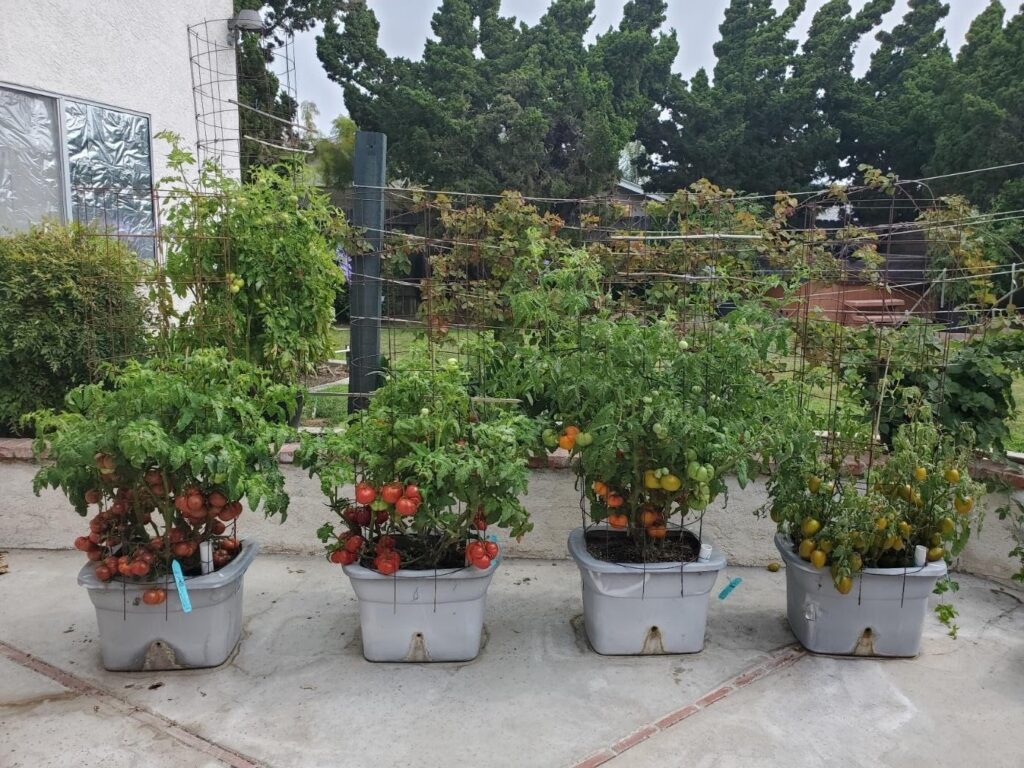
Four dwarf varieties (from left): Adelaide Festival, Hannah's Prize, Awesome, and Saucy Mary
Dwarf tomatoes produce regular-size fruit from smaller plants—designed for small spaces, pots, and containers. They sound perfect, but are they worth the effort?
What Are Dwarf Tomatoes?
Dwarf varieties are bred to stay compact while producing full-size tomatoes. They're ideal for balconies, patios, or tight garden spots where a six-foot plant won't fit.
A few years ago, grafted tomatoes were the hot trend. Everyone rushed out to buy them—your favorite variety grafted onto disease-resistant rootstock. We were promised disease resistance and massive yields. Those disappeared quickly.
Will dwarf tomatoes follow the same path?
Finding Dwarf Tomatoes
Live plants are hard to find. Most nurseries and big box stores don't carry them. You'll likely need to grow from seed, which you can buy from the Dwarf Tomato Project website.
I found six varieties at Roger's Gardens annual tomato sale in Newport Beach, with help from Tomatomania's Scott Daigre.
Six Varieties Tested
Adelaide Festival Dwarf - Hybrid. Grows to about 3 feet. Small to medium tomatoes.
Hannah's Prize Dwarf - Heirloom. Grows to about 3 feet. Medium tomatoes with good flavor.
Awesome Dwarf - Heirloom. Grows to about 5 feet. Six to ten ounce tomatoes. Okay flavor.
Saucy Mary Dwarf - Heirloom. Grows to about 2 feet. Lots of 3-4 ounce pear-shaped tomatoes for the plant size.
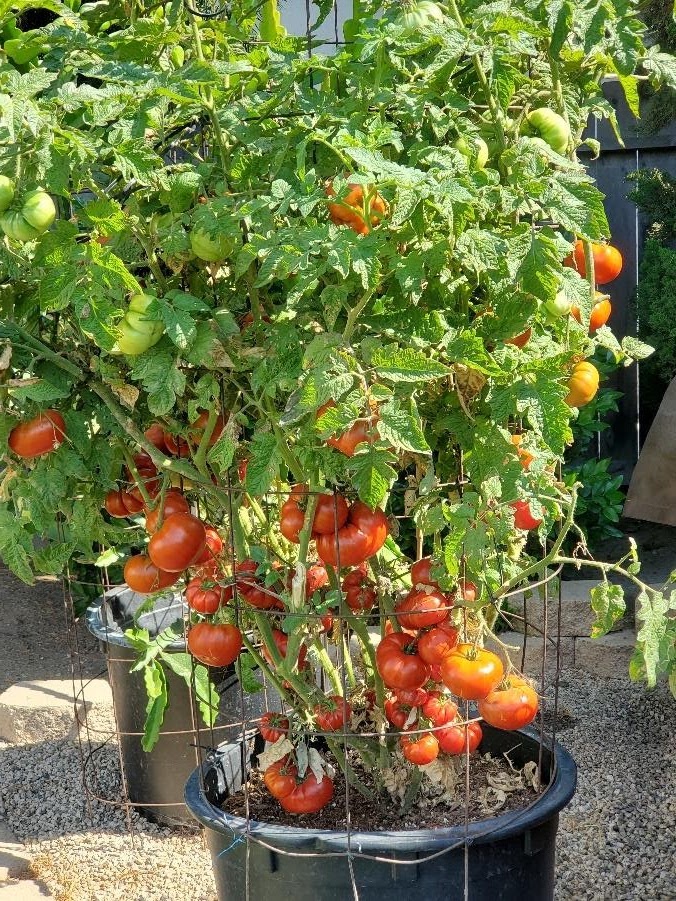
Tasmanian Chocolate Dwarf
Tasmanian Chocolate Dwarf - Hybrid/Open-pollinated. Grows to 5 feet. Small to medium tomatoes.
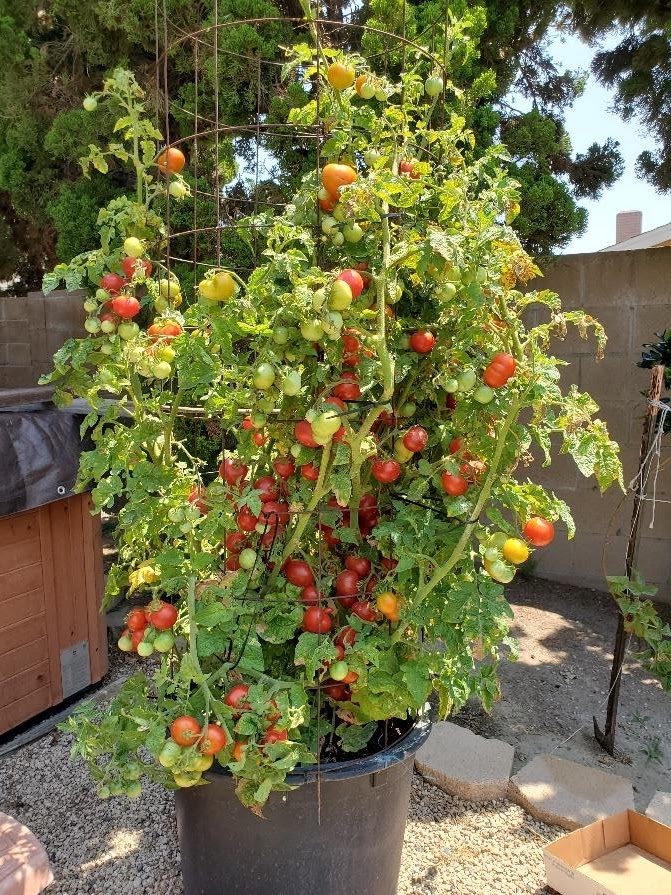
Dwarf Cyril's Choice
Dwarf Cyril's Choice - Heirloom. Grows to 5 feet. Lots of golf ball-size tomatoes. A little bland.
What I Learned
All six grew like thick, compact determinate bushes. Almost all caught powdery mildew, so keep sulfur dust handy. Once I applied it, the spread stopped immediately.
Heights varied—one stayed under 2 feet while others reached over 5 feet tall and 3 feet wide. Most vine-ripened flavors were okay, skins weren't too tough, and they produced plenty of fruit for their size.
But here's the thing: Many of us grow small tomato plants every year without trying. They just don't get very big. That's what happens when conditions aren't ideal.
Will Dwarf Tomatoes Take Off?
Probably not, for the same reason grafted tomatoes disappeared: Big growers aren't supplying live plants to nurseries and big box stores. You'll need to grow from seed, and seeds are hard to find.
Growing an extra 6-8 weeks from seed is a hassle. I prefer planting live plants. It's like choosing between a baby in diapers or a toddler.
Better Options for Small Spaces
If you have a 3-foot wide space with 2-4 feet of height for a dwarf plant, you probably have room for a 6-foot plant. Stick with proven varieties available as live plants everywhere.
For containers and limited space, choose popular thin-skinned, flavorful varieties that stay manageable: Champion, Lemon Boy, San Diego Red, Black Krim, Cherokee Purple, Brandywine varieties.
Most determinate (bush-type) plants work well in smaller spaces.
Size Management Tips
Use 20-gallon containers. If your plant gets too big for the space, prune it. Top it, thin out excess vines—it's fine. Fruit trees grow 20-30 feet tall but produce plenty of fruit when pruned to 8 feet. You can do the same with tomatoes.
Remember: Small containers produce small root systems, which produce small plants—even with popular indeterminate (vine-type) varieties.
The Bottom Line
I doubt growers will supply live dwarf starter plants, and I doubt many people will rush to buy seeds. Grow some for fun if you want. Always try something new each year. But don't expect dwarf tomatoes to replace your tried-and-true favorites.
Next Steps
Learn the fundamentals →
Browse Dave's varieties →
Choose the right soil →
Dave Freed /  The Tomato Guy
Prevention Starts Here
Healthy plants resist pests naturally. Master the fundamentals of proper care.
Learn The Basics →Popular Guides
Want growing tips delivered to your inbox? Get my free tips