Preventing Blossom End Rot
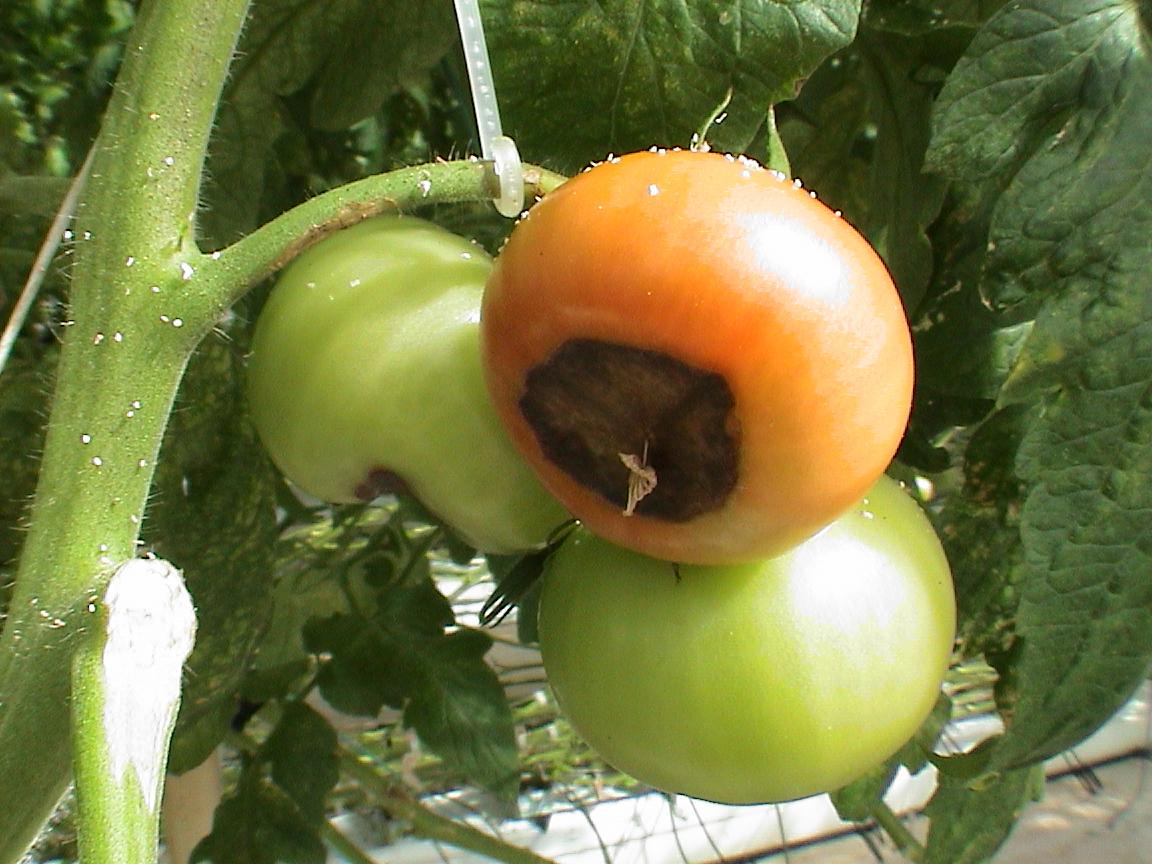
Blossom end rot—that dark leathery spot on the bottom of the tomato
Every year people ask about blossom end rot—a dark leathery spot on the bottom of the tomato. It's common, especially in containers, and caused by calcium deficiency. Your plant will keep blooming and setting fruit, but some tomatoes develop this rot.
What Causes It
Blossom end rot happens when roots can't get enough calcium transported up to rapidly developing fruit. The problem intensifies when growing plants suddenly hit drought conditions.
Water carries calcium from soil to fruit. No water means dry soil, no calcium transport, and rotted bottoms on your tomatoes.
Use the Right Soil
In containers, use potting soil with ample sphagnum peat moss. This helps reduce the problem significantly.
Sphagnum peat moss absorbs and holds up to 20 times its weight in water—like a sponge. The ingredient coir also helps, holding 7-8 times its weight in water.
The soil contains calcium. Water transports it. Potting soils with sphagnum peat moss and coir keep lots of moisture (and calcium) around the roots. Potting soils without these ingredients drain and dry out quickly.
See our complete potting soil guide →
Keep Soil Consistently Moist
The best prevention is consistent watering. Keep your soil moist with regular, deep, thorough watering. Don't let self-watering containers run dry. Don't let plants droop from lack of water.
Add a layer of straw mulch on top of soil—this keeps the potting mix moist and reduces water evaporation.
Learn proper watering techniques →
What About Affected Fruit?
I remove and toss affected fruit. If it's excessive, I'll pull the plant and start with a new one.
There's no easy fix once it starts. Prevention through proper soil and consistent watering is your best approach.
Where It Shows Up
Blossom end rot occurs more often in containers than in backyard or raised bed plantings. It affects larger tomatoes—I've never seen it in cherry tomatoes. It's the bigger beefsteak types that get hit.
Some people swear by crushed eggshells in the soil. I don't know of a surefire fix or prevention beyond what I've outlined here. We've all dealt with it.
The Bottom Line
Blossom end rot is frustrating but manageable. Use quality potting soil with good water retention, water consistently, and don't let plants experience drought stress. That's your best defense.
Next Steps
Choose water-retaining soil →
Master consistent watering →
Learn the fundamentals →
Dave Freed /  The Tomato Guy
Prevention Starts Here
Healthy plants resist pests naturally. Master the fundamentals of proper care.
Learn The Basics →Popular Guides
Want growing tips delivered to your inbox? Get my free tips