Growing Tomatoes in the Ground
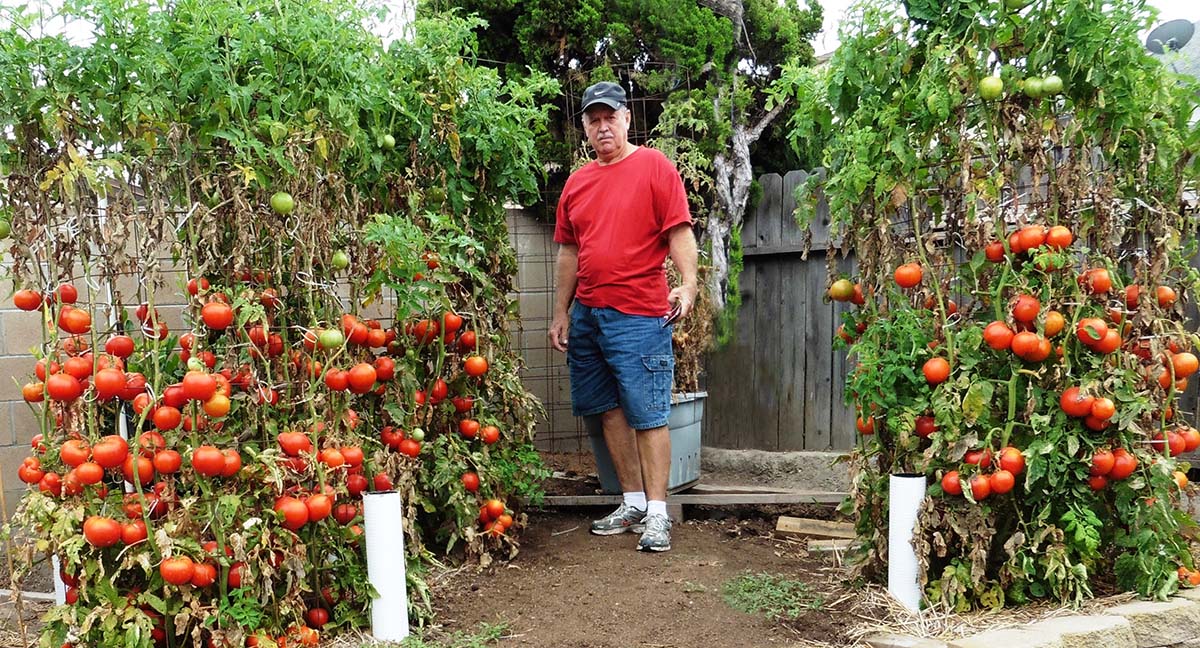
Results from in-ground planting with quality soil and deep watering pipes
Your backyard dirt is probably just ground-up rocks with little nutritional value. Mixing in compost won't fix it. For massive tomato harvests, you need to replace that dirt entirely with quality potting soil.
1. Dig the Holes
For each tomato plant, dig a hole 18-24 inches wide and 18-24 inches deep. Space holes 3½-4 feet apart (4 feet is best if you have room).
That soil you dug out? Throw it away. It's no good—it's mostly dirt.
Drainage test: Fill the hole with water. If it doesn't drain in 24 hours, dig deeper. Water must drain.
2. Check for Invasive Roots
If you hit lots of roots from nearby plants while digging, this method may not work long-term. After a year or two, those invasive roots will come back and steal water and nutrients meant for your tomatoes. If that's the case, use containers instead.
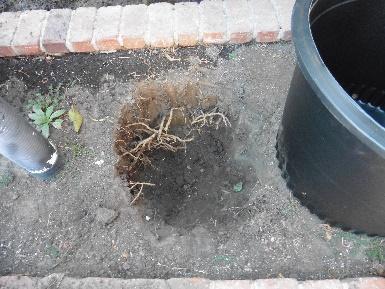
Invasive roots like these could cause problems down the road
3. Optional: Use a 25-Gallon Container
You can place a 25-gallon tree-size container in the hole, or simply fill the hole with potting mix. If using a container, cut most of the bottom out so tomato roots can grow down into the soil below.
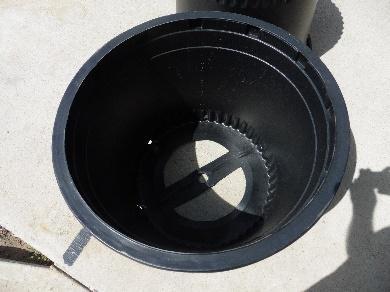
Cut a bigger hole in the container bottom for root growth
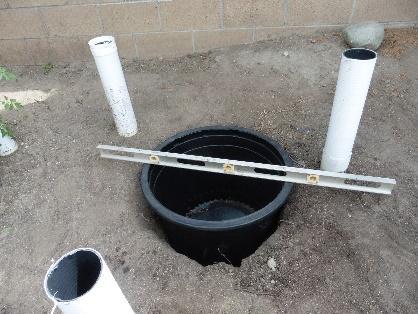
Level it out as best you can
4. Fill with Quality Potting Soil
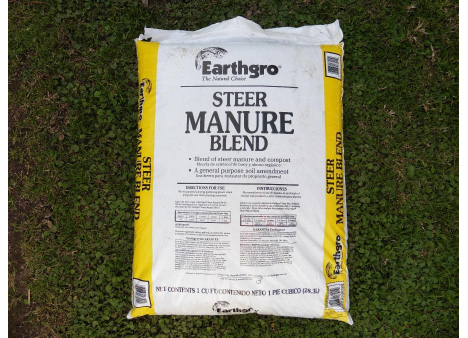
Fill the hole (or container) with quality potting soil—sphagnum peat moss or peat moss as the first ingredient. Add about one-third of a bag of composted steer manure and mix it in.
See our complete potting soil guide →
5. Saturate and Compact
Saturate the potting mix with water until it overflows. Let the water sink in, then walk on top to compact the soil. Add more potting soil to the top, soak it down, walk on it to compact again.
You're ready to plant one tomato per hole.
Important: Place a stake in the center of each hole before filling it completely. Without a marker, you won't know where the center is when it's time to plant.
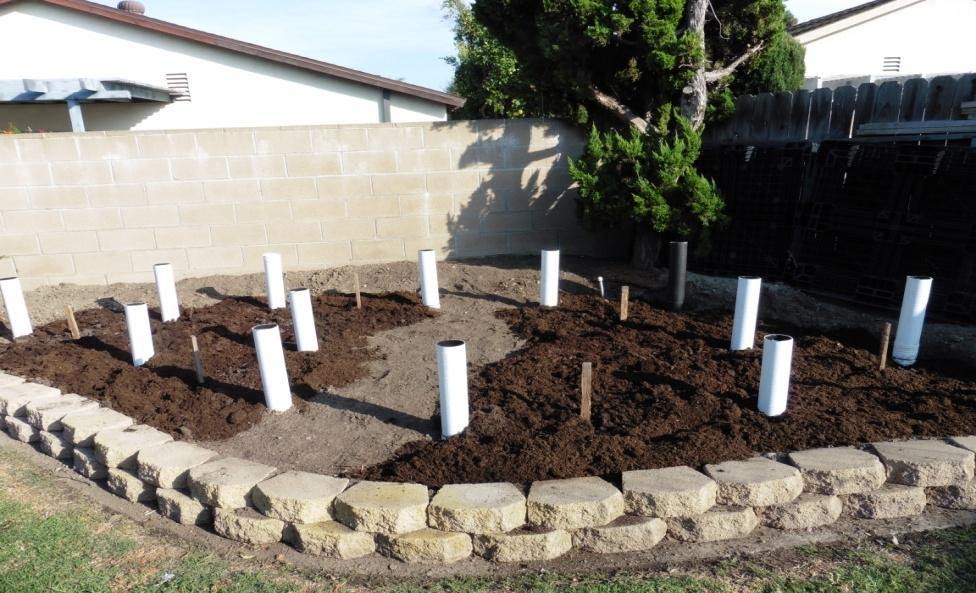
Holes filled with premium soil, stakes marking centers, and deep watering pipes installed
6. Optional: Install Deep Watering Pipes
Deep watering pipes aren't absolutely necessary, but they make a noticeable difference in plant size. These are perforated 4-inch diameter pipes that go 18 inches deep into the soil, getting water directly to deep roots.
What you need: 10-foot lengths of 4-inch perforated drainage pipe (available at Home Depot or Lowe's in the plumbing section), couplers, and short solid pipe sections.
How to install: After planting your tomato and placing the cage, use a post hole digger to dig two or three 18-20 inch deep holes about 4-6 inches outside the cage. Insert the perforated pipe (perforations down), attach a coupler and short solid piece that extends above ground to keep soil out. Pack dirt around pipes to secure them.
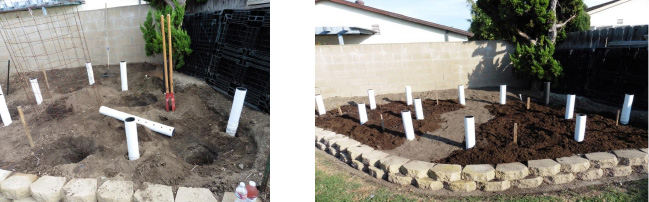
Note: Deep watering pipes are for in-ground planting only, not for containers.
How to Water
Run the garden hose slowly near the plant base until the original hole fills and water begins to run off. Then fill each deep watering pipe a couple times.
This deep moisture encourages roots to grow toward the water. Lots of roots mean a big top, which means lots of tomatoes.
Yearly Maintenance
Each year, simply add more potting soil to each hole. You don't need all new soil annually—just top it off.
Why This Works
Tomatoes have deeper root systems than most vegetables. You can't just mix compost with backyard dirt and expect great results. We need soil that's rotting, decomposing, and holds water well—like walking on the spongy forest floor under pine trees. That's rotting and decomposing organic matter, not ground-up rock.
Most garden vegetables do fine with about a foot of quality soil. Tomatoes want it deeper.
Next Steps
Choose the right potting soil →
Master proper watering →
Build heavy-duty cages →
Dave Freed /  The Tomato Guy
Prevention Starts Here
Healthy plants resist pests naturally. Master the fundamentals of proper care.
Learn The Basics →Popular Guides
Want growing tips delivered to your inbox? Get my free tips