Growing Tomatoes in Raised Beds
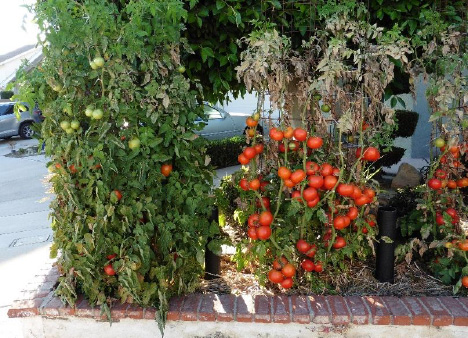
A planter in Dave's front yard—removed some dirt, replaced with great potting mix, and grew what else? Tomatoes.
Raised beds are a great way to grow tomatoes and garden vegetables. A raised bed puts great soil on top of your poor soil. Simple concept, excellent results.
Building Your Raised Bed
Want to make your own raised bed from scratch? Google it—you'll find thousands of suggestions. Big box stores like Home Depot and Lowe's sell kits for making the sides and walls.
Minimum depth: 18 inches. Tomato roots go deeper than most vegetables. A 12-inch bed will work but isn't quite deep enough for best results.
Width and length: Popular sizes are 3-4 feet wide by 6-10 feet long. Make it so you can reach inside easily without walking on the soil. Most people can reach 2 feet, so a 3-4 foot width lets you work from both sides without stepping in.
Sometimes people have existing brick planters they can adapt—just remove some dirt and fill with quality potting soil.
What Soil to Use
Use that great potting soil we've already talked about—sphagnum peat moss or peat moss as the first ingredient.
Don't just buy a bag that says "For use in raised beds" unless it meets this criteria. Don't go through all the trouble to make a raised bed and then fill it with junk soil.
See our complete potting soil guide →
Filling Your Raised Bed
Filling your raised bed the first year with great potting soil may be a little expensive, but after that you just add more on top as it decomposes. You'll be amazed at your vegetable garden.
Money-saving tip: Costco sells great potting soil during spring season for about $9.99 per 2 cubic foot bag—roughly half price. Load up when you see it.
Budget option: Fill the bottom 6-8 inches with cheaper potting mix or compost. Fill the rest to within several inches of the top with quality potting soil.
Final Preparation
After filling with quality potting soil, top it off with a 3-4 inch layer of composted steer manure. Mix it in a little, soak it down. Add a bit more potting soil if needed.
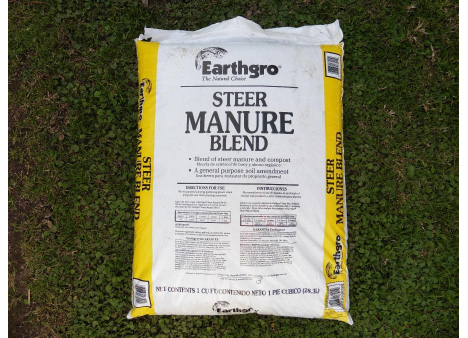
You're ready to plant.
Yearly Maintenance
The first-time fill is the most expensive. After that, you simply add great potting soil on top as your bed soil rots and decomposes. Much easier and cheaper than the initial setup.
Getting Started
Visit the garden department at Home Depot or Lowe's and ask to see raised bed options. They'll show you kits and materials to get started.
Next Steps
Choose the right potting soil →
Master watering techniques →
Learn the fundamentals →
Dave Freed /  The Tomato Guy
Prevention Starts Here
Healthy plants resist pests naturally. Master the fundamentals of proper care.
Learn The Basics →Popular Guides
Want growing tips delivered to your inbox? Get my free tips