Using Sulfur Dust to Prevent Pests and Diseases
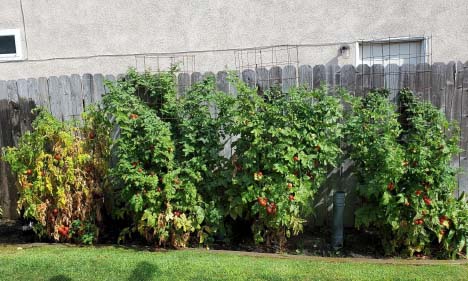
Three plants on the right treated with sulfur dust. Plant on far left never treated—see the difference?
Sulfur dust prevents most fungus, including powdery mildew, from spreading. It also prevents spider mites from infesting your tomatoes. Since I started using sulfur dust, my plants die of old age or neglect—not pests and diseases.
What Sulfur Dust Does
Prevents powdery mildew - Kills disease-spreading spores and prevents them from reproducing.
Stops spider mites - Spider mites come during warm weather. Once you see their webs, the plant is usually doomed. A light coating of sulfur dust prevents infestation.
Organic protection - Sulfur dust comes from Mother Nature, not a man-made pesticide.
Sulfur Dust vs Sulfur Powder
You must purchase sulfur dust, not sulfur powder. Sulfur powder is too coarse. Sulfur dust is very, very fine—exactly what you need.
Important: Use it as a dust for tomatoes. Don't mix with water and spray—it's too weak that way.
When to Apply
Once you see discolored leaves (usually toward the bottom) 2-3 weeks after planting, apply a light coating every week to 10 days right up to harvest.
As new leaves and stems grow, they need a protective coating. Don't wait until you have problems, though applying sulfur dust after experiencing powdery mildew does stop the spread.
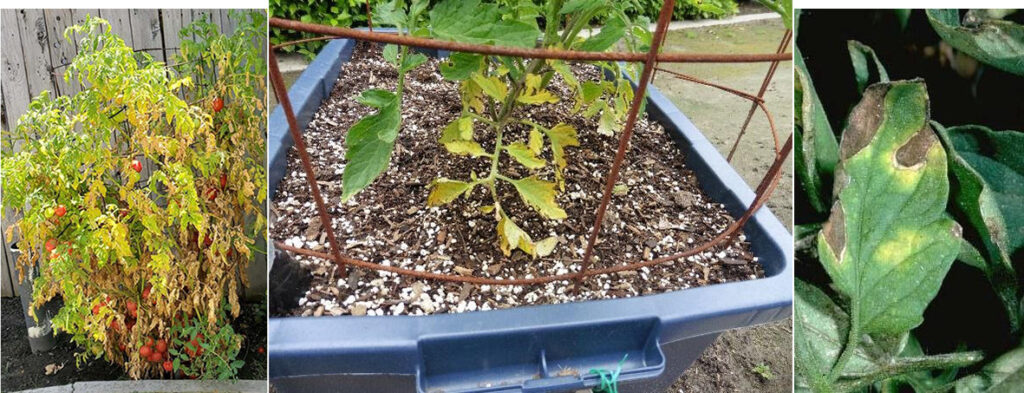
Different forms of powdery mildew fungus—there are hundreds of types
The white leaves, brown leaves, and yellow leaves are usually all forms of powdery mildew fungus. The fungus spreads and eventually dries up and kills leaves. Once I began using sulfur dust, I experienced little or no problem.
How I Discovered Sulfur Dust
A couple people in northern Spain were looking at pictures of tomatoes on my website and told me about the fungus problem and how to treat it. They said Spain has been using sulfur dust for many generations.
It worked. Rather than die from fungus, pests, and diseases, my tomato plants now die of old age or my neglect.
How to Apply
Always follow manufacturer directions. Directions say you can mix in water and spray or apply as dust. For tomatoes, apply as dust.
Three application methods:
1. Nylon stocking method - Cut a 12-inch section from a woman's nylon stocking. Tie one end, fill with sulfur dust through the other end, tie that end, and shake dust onto plants.
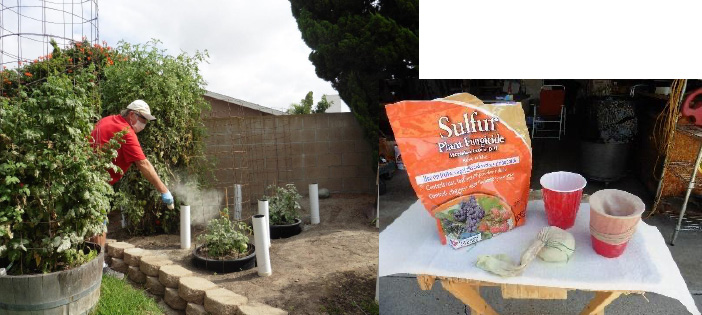
The nylon stocking method—simple and effective
2. Squeeze bottle - Big box stores sell sulfur dust in squeeze bottles. Pop the top open. When you squeeze the plastic bottle, a puff of air with dust comes out. Probably the easiest method.
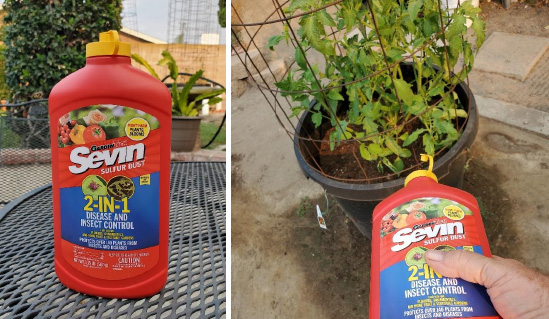
Squeeze bottle—easiest application method
3. Blower/duster - When you have many plants to treat, use a blower for large areas.
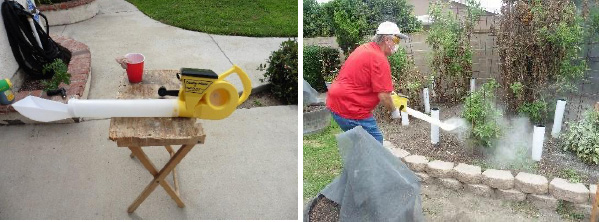
For many plants, a blower makes the job easier
Application Tips
If you apply too much, shake the leaves to get some off. If it rains or you water and remove the sulfur dust, let the tomatoes dry and reapply.
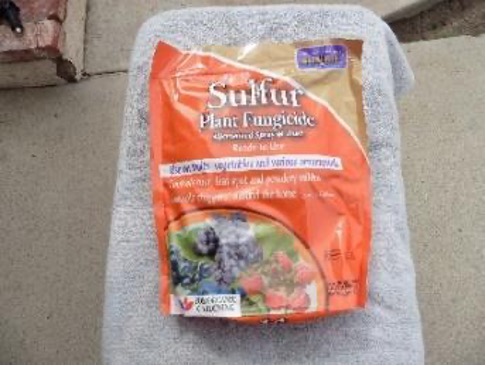
Buy online if you need large quantities
Prevention Works Best
Water in the mornings so plants and leaves have all day to dry. Be careful of sprinklers at night—overspray and mist getting leaves wet invites mildew.
Leave space between plants for better air circulation. Keep plants from touching each other and spreading mildew. Mildew likes cooler, shady areas. Direct sunlight kills or slows growth.
Some varieties get powdery mildew more than others.
Safety Note
Sulfur dust is organic and comes from Mother Nature, but it's very fine dust. Avoid breathing it in or getting it in your eyes.
Important Limitation
Sulfur dust doesn't work on all plants. It burned my cucumber plant. Test on a small area first if using on vegetables other than tomatoes.
Next Steps
Learn about powdery mildew →
Prevent spider mites →
Master the fundamentals →
Dave Freed /  The Tomato Guy
Prevention Starts Here
Healthy plants resist pests naturally. Master the fundamentals of proper care.
Learn The Basics →Popular Guides
Want growing tips delivered to your inbox? Get my free tips