Growing Tomatoes in Hot Weather
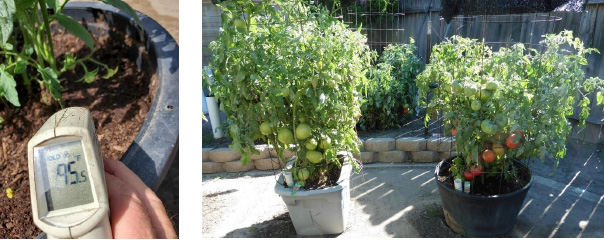
Solar Fire (left) and Heatmaster (right) producing tomatoes at 95 degrees
Most tomatoes stop producing when temperatures hit 85+ degrees. They go into survival mode. But heat-tolerant varieties keep producing pollen and setting fruit right through the summer heat.
The Heat Problem
Regular tomatoes need specific conditions to produce pollen. Night temperatures must reach 55 degrees before they start, and they stop when daytime temperatures exceed 85 degrees. That's a narrow window.
During hot weather, plants grow, blossoms appear, but no pollen forms. No pollen means no tomatoes. The plant waits for cooler weather to resume production.
Heat-Tolerant Varieties
Look for varieties labeled "heat tolerant" with names like Solar Fire, Phoenix, Heat Master, and Summer Set. These produce pollen and set fruit above 85 degrees.
Most are determinate (bush-type) plants. My favorite is Phoenix, though all the named varieties produce well. Search these names online to read about each one.
In Southern California, Bonnie Plants usually releases heat-tolerant varieties starting mid-June.
Other Heat Performers
Some standard varieties also tolerate heat: Sun Gold Cherry, Husky Cherry Red, San Diego, and Better Boy all do pretty well in hot weather.
But even heat-tolerant tomatoes struggle when temperatures consistently exceed 100-110 degrees. There are limits.
When to Plant
Plant heat-tolerant tomatoes from May through August. If you know the forecast shows 85+ degrees almost daily, choose these varieties.
Plant in hot August and these tomatoes should produce until cold weather arrives. Once nighttime temperatures drop below 50 degrees, pollen production typically stops and cold weather eventually kills the plant.
Pro tip: Plant next to a brick or stucco wall. The wall absorbs heat all day and radiates it back at night, fooling the plant into thinking it's warm enough to keep producing through winter.
Young Plants Handle Heat
When planting young tomato plants in summer heat, they'll do fine if you keep roots moist. These little plants are like kids on a playground during a hot day—they don't notice the heat until they mature.
Critical: Use the Right Soil
This is especially important in hot weather. Use potting mix with 30-50% sphagnum peat moss or peat moss. One pound of sphagnum peat moss holds 20-25 pounds of water—like a sponge surrounding your roots.
Check the ingredients label. The first ingredient should be peat moss or sphagnum peat moss. This water-holding capacity makes the difference between daily watering and watering every few days.
Read our complete potting soil guide →
Next Steps
Choose the right potting soil →
Master watering in heat →
Browse heat-tolerant varieties →
Dave Freed /  The Tomato Guy
Prevention Starts Here
Healthy plants resist pests naturally. Master the fundamentals of proper care.
Learn The Basics →Popular Guides
Want growing tips delivered to your inbox? Get my free tips