The 100+ Pound Tomato Blueprint
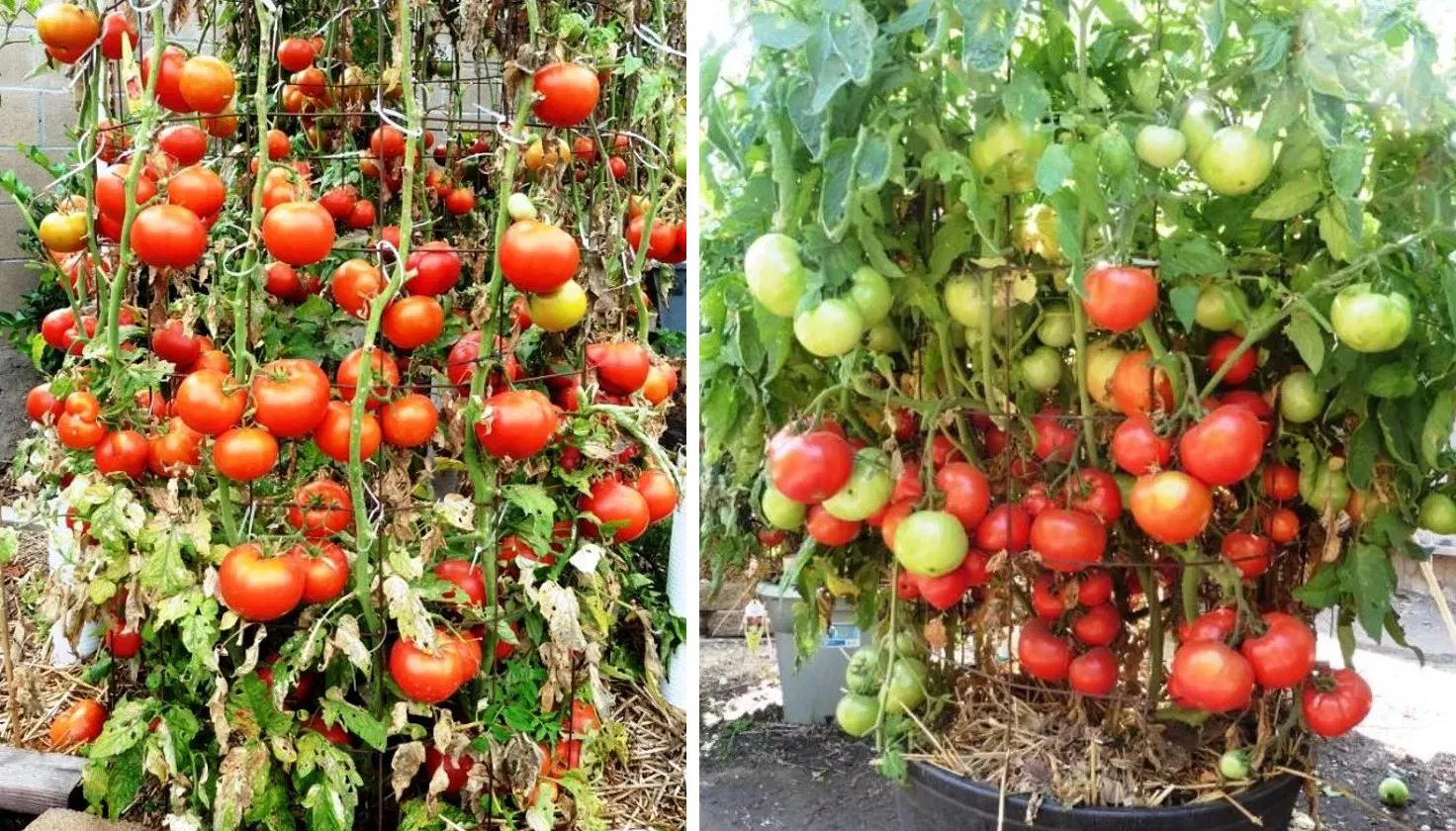
Dave's tomato plants mid-season — this is what consistent care looks like.
I've been growing tomatoes for years — in containers, in the ground, in raised beds. My plants regularly produce 100+ pounds of fruit in a single season. That's about 10 times what most people get. Same sun. Same water. Often the same varieties. But completely different results. This guide shows you the system I use. It's not complicated, but every step matters.
The Five Things That Matter Most
Growing massive tomato plants comes down to five core principles. Get these right and everything else falls into place.
1. Start with a Big Container or Plant in Backyard Soil
Backyard soil: dig a hole 2 feet deep and 2 feet wide in the sunny part of your yard. Throw away the dirt and fill the hole with your great potting mix. Containers: most people use containers that are way too small. A 5-gallon bucket might keep a plant alive, but it won't produce a big harvest. What I use: 24-inch diameter containers for indeterminate varieties — that's about 20–25 gallons of soil. Why it matters: container size limits how big your plant can get. Bigger container = more root space = more nutrients available = bigger plant = more tomatoes.
2. Feed Regularly Throughout the Season
Container plants can't reach out for more nutrients like plants in the ground can. You have to bring the food to them. Feed every 7–10 days with liquid fertilizer — it's easy to apply and the plant can use it right away. Use a balanced fertilizer. See the full fertilizing guide →
3. Water Deeply and Consistently
When you water, water until it runs out the bottom of the container. This encourages deep roots and ensures the entire root system gets moisture. How often depends on the weather and plant size. Early in the season, maybe every 2–3 days. In peak summer with a big plant and really hot weather, probably once or sometimes twice daily. The key is consistency. Keep the roots moist — dry roots = dead roots. See the full watering guide →
4. Provide Serious Support
A plant producing 100+ pounds of fruit needs real support. Standard tomato cages from the garden center won't cut it. What works: tall, sturdy cages — at least 6 feet high for indeterminate varieties. I use heavy-gauge cages secured to the container so they can't tip over. You'll also need to support individual branches as they get loaded with fruit. Zip ties looped around branches and attached to the cage do the trick.
5. Pick the Right Varieties
Not every tomato variety can produce 100+ pounds. Some are bred for early harvest, some for disease resistance, some for compact growth. Proven heavy producers: Better Boy, Celebrity, Champion, Big Beef, Early Girl. These are all indeterminate varieties that keep growing and producing all season. See all varieties in the gallery →
Setting Up for Success
Containers are the easiest way to grow great tomatoes. Here's how to get the setup right before you even buy a plant.
Choosing Your Container
I use 24-inch diameter, 20–25 gallon plastic containers. They're big enough to support a massive plant but still manageable. What to look for: at least 18 inches in diameter (24 is better), and multiple drainage holes in the bottom.
The Right Soil Mix
Your soil mix needs to hold moisture but also drain well. That's harder than it sounds. Don't use garden soil in containers — it's too heavy and compacts too much. Don't use cheap potting mix either; it's mostly bark and sawdust with almost no nutrients. See exactly what to buy — or how to make your own →
Sunny Location
Tomatoes need sun. Lots of it. Minimum 6–8 hours of direct sunlight daily, more is better. Put your containers where they'll get the most sun. Make sure you can reach them easily with a hose — you'll be watering daily once the plants get big.
Buying Your Plants
I buy plants from the nursery rather than starting from seed. It's easier and you get a head start on the season. What to look for: healthy, stocky plants with dark green leaves, no yellow leaves or brown spots, about 6–8 inches tall. A tag that says "indeterminate" means bigger producers — these grow like vines. Determinate grow like a bush and produce fewer tomatoes. If you buy the bigger plants at the nursery, make sure they're healthy with no yellow leaves or little tomatoes already on them.
The Growing Season
Planting
When you plant, it's not necessary to bury the stem deeper than it was in its nursery pot — because you're using great soil. Install your support cage right when you plant. Much easier to do it now than when the plant is 4 feet tall.
First Few Weeks
Early growth may look slow. The plant is in shock from being transplanted. Be patient and watch it take off. Water — don't let the roots dry out. With good soil you can't overwater. Feed every 7–10 days with balanced fertilizer. Remove any leaves that touch the soil to help prevent disease and pests.
Peak Production
This is where it gets good. Your plant is huge, covered in fruit at different stages, still flowering and setting new fruit. Keep feeding every 7–10 days. Water as needed — don't let the roots dry out, sometimes that means once or twice daily during hot weather. Support heavy branches with zip ties. Pick ripe tomatoes every few days. Plan on spending 10–15 minutes per plant daily during this stretch. But you're also harvesting 20–30 pounds per week from each plant, so it's worth it.
End of Season
Eventually your plant will start to decline. Leaves yellow from the bottom up, fewer new flowers, more pest and disease pressure. When you see the decline starting, harvest everything. Green tomatoes will ripen on your kitchen counter.
Some Common Problems
Blossom End Rot
Black or brown spot on the bottom of the fruit. Usually caused by calcium deficiency from inconsistent watering — happens most often in containers. The affected fruit won't recover, so just pick it and toss it. Fix your watering consistency and future fruit should be fine. Full guide →
Yellow Leaves
Leaves turning yellow, usually from the bottom up. Most likely a fungus. Use Sulfur Dust — it usually stops the yellowing in its tracks. Full guide →
Flowers Dropping Off
Flowers falling off without forming fruit. Usually temperature stress — the weather is either too hot or too cold. Not much you can do about the temperature itself. When it cools back down or warms back up, flowers will begin to fruit. Gently tapping the flower clusters can also help with pollination.
What You Really Need
Growing a 100-pound tomato plant isn't about magic tricks or secret techniques. It's about doing the basics right, consistently, all season long. Big container (18–24 inches) or a 2-foot hole filled with great potting mix. The right soil. The right variety — Better Boy or Big Beef are your best bets. Regular feeding. Consistent watering. Strong support. Watch for pests and disease. Plenty of sun.
Will your first plant hit 100 pounds? Maybe, maybe not. But if you follow this system, you'll grow bigger, healthier plants than you thought possible — and produce a lot of tomatoes. Next year, you'll do even better.
Next Steps
Making Your Own Potting Soil →
The Fertilizing Guide →
Browse All Varieties →
Watering Guide →
Dave Freed /  The Tomato Guy
Prevention Starts Here
Healthy plants resist pests naturally. Master the fundamentals of proper care.
Learn The Basics →Popular Guides
Want growing tips delivered to your inbox? Get my free tips